

Have you ever wondered how a shipping container is made? Or what happens to it after it can no longer be used for transporting cargo? We’ll answer all your questions in today’s blog. We’re looking into the lifecycle of a shipping container, from the manufacturing process, to how they’re used once their job is done.
1. Fabrication and Assembly
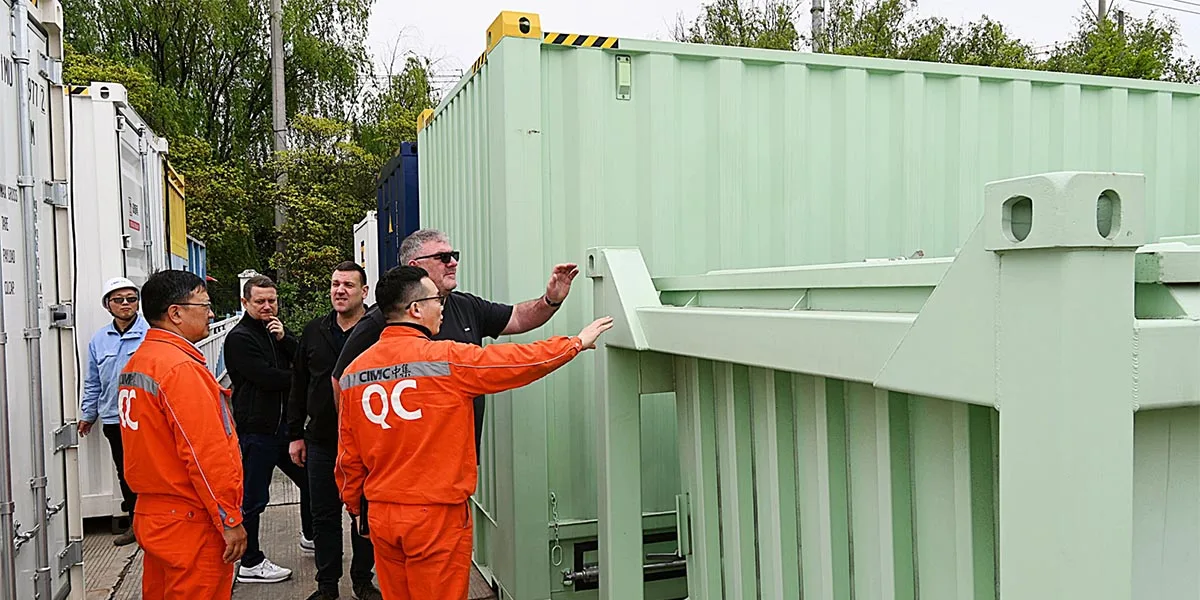
Containers are built primarily from steel and aluminium. Wide sheets of metal are cut, sanded to remove imperfections, and corrugated for extra structural strength. The roof, floor, and wall panels are fabricated separately and welded together. Each unit is then primed and painted to prevent corrosion, fitted with rubber door seals for waterproofing, and tested for durability. Physical fabrication takes 10 to 16 hours of labour, with automated parallel assembly lines outputting a new container every 6 to 8 minutes.
2. Factory Lead Time and Ocean Freight
Ordering new inventory direct from overseas manufacturing plants (mainly in Asia) takes 6 to 16 weeks. This timeline covers raw material sourcing, factory scheduling, port transit, ocean transport, and customs clearance.
3. Primary Use and Deployment
Once in service, containers typically follow one of two paths:
Static Storage (UK):
- Delivered locally from UK ports within 3 to 7 business days using HIAB crane-equipped trucks. Single-trip units used purely for static storage can last between 40 and 50 years.
Active Cargo Service:
- Units carry ocean freight globally for 10 to 15 years, receiving regular maintenance to endure saltwater exposure and heavy stacking.
4. Secondary Use, Conversions, and Recycling
After retirement from ocean cargo, used units are sold as wind and watertight used containers. They are repurposed for site accommodation, secure storage, mobile offices, welfare units, or pop-up spaces, extending their lifespan past 25 years. Once a container reaches the end of its structural life, it is dismantled and melted down for scrap metal, recycling nearly 100% of the original steel.